
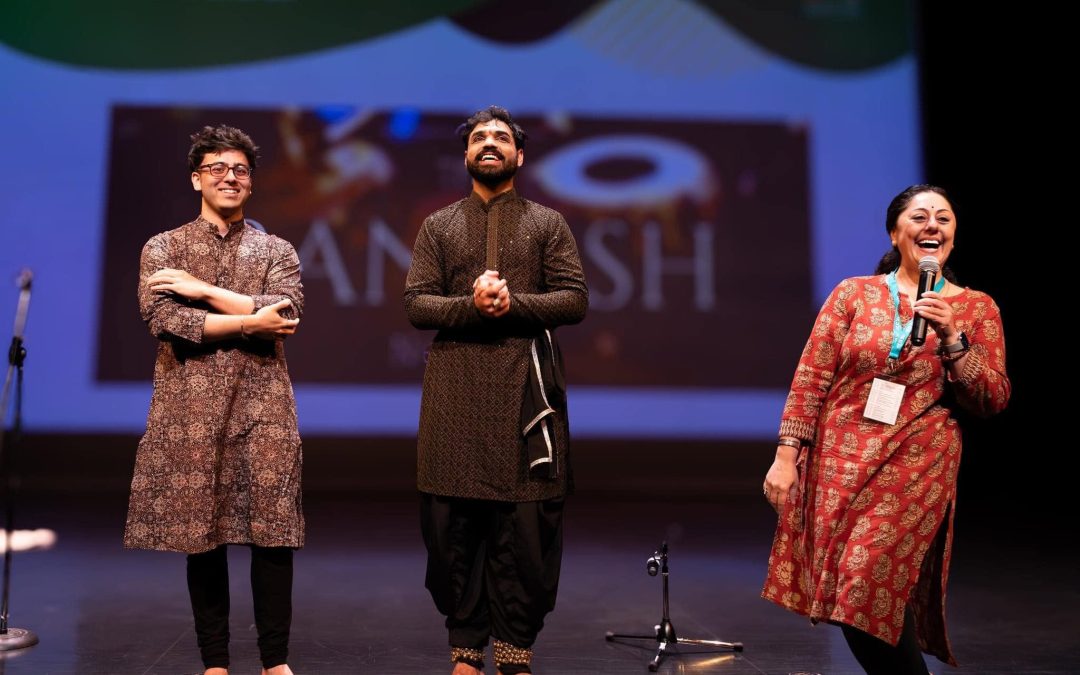
A gathering of publications, presentations, The Bandish Network initiatives, and community endeavours chronicling two decades of cultural stewardship devoted to the preservation, renewal, and flourishing of the classical and heritage arts of the Indus Valley & pan South Asian (used as an administrative term) throughout Canada.
Twenty Years In: What the Work Has Revealed
When I founded The Bandish Network, legacy lay far from my thoughts. My attention rested upon an absence: the wide distance between the profound vitality of these traditions and the narrow place they occupied within Canada’s cultural imagination and the terrible misunderstanding of the cultures. The divide was unmistakable, measurable, lonely and deserving of remedy.
That divide, in all its shifting forms, continues to animate every endeavour.
Twenty years have passed. Our son has graduated from UBC, is a contributing, responsible citizen and dedicated Indian Classical Music student & practitioner and is a son of this sacred soil, a proud Canadian and connected to his heritage through the arts. Hriday has grown into the responsible adult Sanjeev and I parented him to become; this in itself is our award, our wealth and grounding. The community in BC and Canada has diversified, evolved, tuned in, tuned out, expanded, segmented and has become richer within all these perpetuating variables, and all symbiotically!
The purpose remains steadfast; the evidence has deepened. The work now speaks through tangible outcomes. Bandish has been navigating these complexities, just like parenting in a new country!
Artists who entered through mentorship have risen to guide organizations of their own. Publications have furnished an intellectual foundation where scarcely one existed before. Communities across British Columbia and beyond have cultivated enduring relationships across cultures. Pathways to funding, once unimaginable, have emerged through years of patient dialogue with institutions whose gaze had seldom turned toward these traditions because they had not been voiced before.
Creating opportunity where none exists is quieter labour of my work than many perceive. It asks for the patient cultivation of conditions in which others may flourish. Such work announces itself with little ceremony. It appears in meetings where one’s presence was never expected, in the calm and repeated articulation of why these traditions deserve their rightful place. It resides in drafting the proposal, shaping the framework, forging the introduction, then quietly stepping aside so another may cross the threshold newly opened. Such leadership measures its worth through the possibilities it awakens in others rather than through its own visibility.
This work has never stood alone. Among its greatest blessings rests the fellowship of partners who have chosen to walk beside it. ATI Vancouver has offered a steadfast platform, carrying this work to readers and audiences who might otherwise have remained beyond its reach. Pancouver Media has embraced cultural storytelling with uncommon seriousness, recognising heritage arts as a living and indispensable thread within the creative fabric of the city. Radio Spice and Rhimjim have given volumes of support through their media outreach; the Canada India Network Society has served as a vital bridge across communities, wellness institutions, and nations, understanding instinctively that breadth of reach bears equal weight with depth of purpose, connected hearts, shared values and healthy minds. Evergreen Arts has committed to the consistency of Bandish Network programming that raises the bar with curatorial finesse. Together these organisations have been the building blocks of trust and excellence.
These organisations extend the work of Bandish Network far beyond its own capacity. They carry it into conversations, institutions, and public spaces where its influence gathers greater force. Such fellowship grows increasingly rare. Its place within this story deserves honour.
Among the clearest expressions of this catalytic philosophy stands the CAPACOA Classical & Heritage Arts Initiative-CHAI. Conceived in partnership with one of Canada’s foremost performing arts networks, the initiative sought what the sector had scarcely attempted: to connect classical and heritage artists of the Indus Valley tradition with presenters, touring networks, and professional development across Canada and abroad.
Its impact reached farther than expected. Artists discovered representation previously beyond reach. Relationships flourished across borders, spanning continents, opening the way toward residencies, touring engagements, and enduring institutional partnerships. South Asian classical arts in Canada entered a genuinely international dialogue. For those who participated, CHAI marked far more than a programme; it transformed the horizon of what seemed attainable.
Today CHAI rests in abeyance. The reason is plain: the resources required to sustain it were not available.
There is sorrow in acknowledging this. When an initiative visibly alters the course of artists’ lives, bringing it to pause carries consequences beyond administration. It interrupts journeys already underway. It leaves relationships unfinished. It stills momentum patiently gathered across many years, momentum that can fade with unsettling speed when left without support.
Yet the story finds no conclusion here. What CHAI demonstrated remains documented, visible, and capable of renewal. The international relationships it fostered endure. The artists it served continue their practice, strengthening Canada’s cultural landscape through traditions that flourish when given meaningful support and rightful inclusion.
Foundations of this kind simply wait. Their quiet presence offers a more compelling argument than any proposal could ever compose.
Should funders, presenters, or cultural partners recognise the promise that was unfolding, the conversation concerning CHAI’s return awaits with open readiness.
Leadership within this field has seldom travelled an uncomplicated path. There remains the weight of knowing that silence would leave these traditions without an advocate. There remains the discipline of holding fast to the long view while immediate demands press from every side. There remains the unseen labour of sustaining a community through disagreement, disappointment, and the inevitable tensions born whenever people cherish the same inheritance while envisioning different roads ahead. With time another truth has revealed itself with greater clarity.
Competitive resistance exists even among organisations labouring toward neighbouring aspirations, even among those whose stated values appear closely aligned. Structures of funding, recognition, and institutional gatekeeping often encourage rivalry where fellowship would better serve the whole. The design itself breeds fragmentation. The consequence reaches every one of us.
Energy that might strengthen collaboration, amplify collective voices, and deepen shared influence too often disperses into the preservation of separate domains.
I have encountered this reality more times than memory easily recalls. I have witnessed pioneering work pass unacknowledged as others entered the same field. I have seen sincere collaborations slowly unravel beneath the quiet gravity of institutional self-preservation.
Each encounter has returned me to the same conviction. Remain faithful to the larger purpose. Keep the door open. Resist the temptation toward defensiveness, however understandable it may appear. This, above all, defines catalytic work.
A catalyst prepares the conditions through which transformation unfolds, seeking no claim upon the reaction itself. Such work asks for a steadiness rooted in purpose rather than applause. It asks for the generosity to make space for others even while surrounding systems quietly reward competition over shared endeavour.
What continues to move me most is the experience of advancing together.
Neither leading from ahead nor directing from behind, rather walking alongside artists, scholars, communities, and institutions, each bringing gifts the others cannot, until something larger gradually emerges through shared purpose.
The partners who return again and again, extending the reach of this work without invitation, understanding that cultural recognition rises through collective effort, belong as fully to this story as Bandish Network itself.
The next chapter belongs to the artists, scholars, community leaders, and partner organisations who now carry this work onward. Many have grown before my eyes, emerging into leadership through foundations they themselves helped shape.
That continuity remains the deepest source of pride. The work endures. The builders continue. Together, the journey advances.
I invite you to explore the links that follow.
Within them dwell stories, scholarship, reflections, and resources gathered across two decades of devotion. They offer an entrance into a tradition of remarkable depth, enduring beauty, and living inheritance, together with the continuing labour required to ensure that its voice carries forward through generations yet to come.
Connect with Nina Buddhdev
Explore the links that follow. The stories, analysis, and resources they contain are an invitation into a tradition of extraordinary depth, and into the ongoing effort to ensure it endures.
- Connect with Nina Buddhdev on LinkedIn
- ACCA Profile: Cultural Producer & Consultant
- Founder: The Bandish Network
- Join: Bandish Group view: BANDISH PORTFOLIO
- Follow NINA’S art GALLERY: @ninabuddhevart
- Nina’s articles in Pancouver Magazine
- Community profiles: ATI – Vancouver
- Representing BC’s (Coquitlam) first Indian classical next-gen artist representing BC in London, UK Debut Concert in London, LA and Toronto
- Join the Healing Arts Initiative Yogbhava
- Phone: +1 604 653 3965
- Email: [email protected]
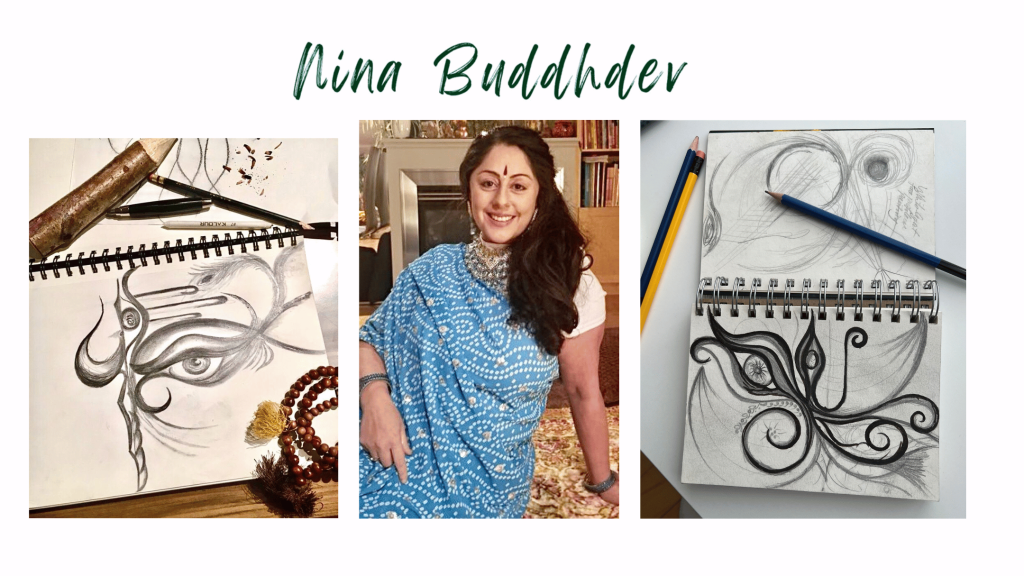
Written by: Nina Buddhdev
Nina Buddhdev is an internationally recognized cultural innovator, curator, and strategist with over three decades of experience spanning the UK, India, and Canada. She is lauded for her leadership in classical, heritage, and intercultural arts, with expertise in program design, audience development, and presenter–artist collaborations.
See more: Pancouver Articles
Want to contribute to the Arts BC blog?
Share your story with BC’s arts and culture community. We welcome submissions from artists, cultural workers, and community members across the province. To contribute, please complete this Google form.
← Back to All Articles
